

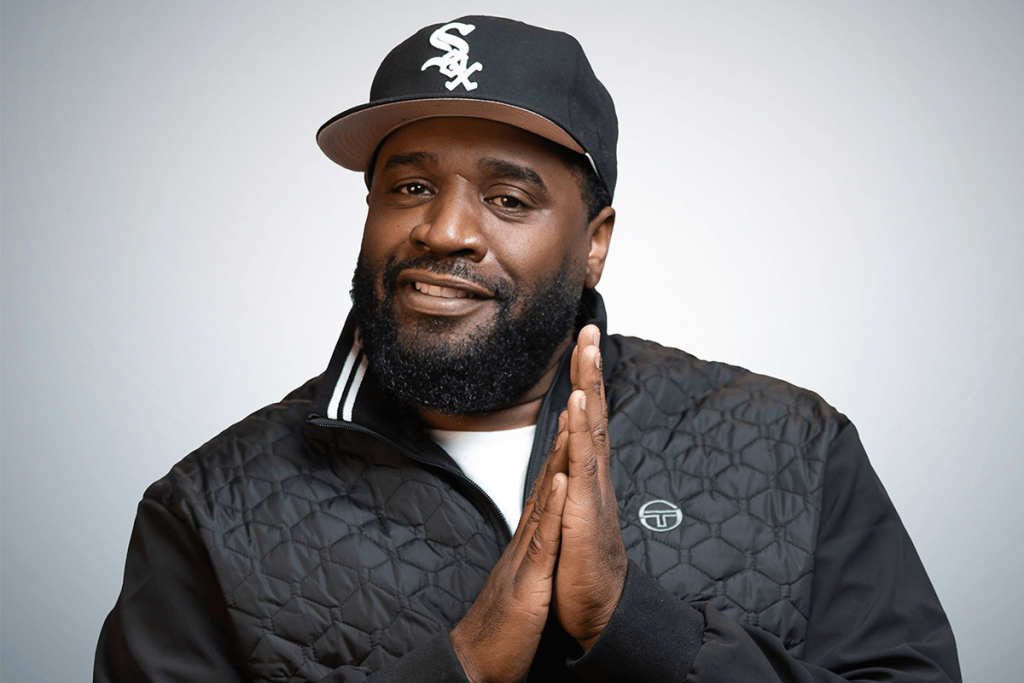
This article explores comedian Corey Holcomb’s multifaceted career spanning stand-up comedy, television roles including “Black Jesus,” and his controversial podcast “The Corey Holcomb 5150 Show.” The piece examines his comedic style, notable on-air altercations, viral moments, and the polarising nature of his content that has made him both a cult figure in comedy circles and a source of ongoing debate about boundaries in entertainment.
Corey Holcomb has carved out a unique and controversial space in American comedy, building a career that spans traditional stand-up stages, television roles, and a podcast platform where his unfiltered commentary regularly generates both devoted followers and fierce critics. His journey from Chicago comedy clubs to internet notoriety illustrates the evolving landscape of modern comedy.
From Stand-Up Clubs to Television Success
Corey Holcomb began his comedy career in Chicago during the 1990s, developing a confrontational comedic style focused on relationships and social observations delivered with unapologetic directness. According to comedy industry sources, Holcomb gained recognition performing at venues including The Comedy Store and Laugh Factory, where his provocative material resonated with audiences seeking edgier comedy.
His television career gained momentum when he joined “Black Jesus,” the Adult Swim comedy series created by Aaron McGruder that ran from 2014 to 2019. Playing Boonie, Holcomb appeared in the irreverent comedy that reimagined Jesus Christ living in modern-day Compton, California.

Key Career Highlights
| Show/Film | Role | Year | Impact |
|---|---|---|---|
| Black Jesus | Boonie (Main Cast) | 2014-2019 | Cult following, broader exposure |
| The Tonight Show | Stand-up Performer | Multiple | Network television exposure |
| Wild ‘N Out | Guest Performer | Various | Freestyle comedy showcase |
| Think Like a Man | Supporting Role | 2012 | Film breakthrough |
According to entertainment outlets, his natural comedic timing contributed significantly to “Black Jesus’s” cult success, introducing Holcomb to audiences beyond stand-up circuits.
The Podcast That Changed Everything
Holcomb’s most significant cultural impact comes through “The Corey Holcomb 5150 Show,” his podcast that launched in the mid-2010s. The show streams on YouTube and various platforms, featuring discussions about relationships, current events, and social issues with minimal filtering.
The “5150” reference—California police code for an involuntary psychiatric hold—signals the show’s intentionally provocative approach. According to podcast analytics, episodes regularly attract hundreds of thousands of views, demonstrating substantial audience engagement despite controversial content.
Viral Altercations That Made Headlines
Several incidents from the podcast have gone viral, cementing Holcomb’s reputation for explosive on-air moments.
The Zo Williams Confrontation
One notorious altercation involved fellow comedian Zo Williams, where a disagreement about relationship advice escalated into a heated verbal exchange. According to viral video coverage, the confrontation showcased Holcomb’s confrontational style and willingness to engage in genuine conflict rather than staged drama.
The Aries Spears Debate
Another notable moment involved comedian Aries Spears, where philosophical differences about comedy and cancel culture led to tense exchanges generating millions of views across social media. These incidents have become defining characteristics of the show’s appeal to audiences seeking unscripted, authentic conflict.
Why He’s So Controversial
Holcomb’s commentary on male-female relationships often includes perspectives that critics characterise as misogynistic, while supporters argue he expresses unfiltered masculine viewpoints rarely heard in mainstream media. His opinions on modern dating culture, marriage, and gender dynamics resonate particularly with audiences who feel mainstream entertainment has become overly sanitised.
According to social media analytics, clips from his show regularly generate millions of views, creating a digital presence that extends far beyond his core podcast audience. However, critics argue his commentary perpetuates harmful stereotypes about women and relationships. Several cultural commentators have characterised his perspective as regressive and potentially damaging.
The Defence of Comedy Freedom
Holcomb and supporters maintain his content represents traditional comedy’s boundary-pushing function—challenging social norms and providing entertainment through provocation. He frequently argues that comedy requires freedom to explore controversial topics without censorship, and that audiences understand the distinction between comedic persona and personal advocacy.
This defence aligns with broader debates about comedy’s role in society and whether entertainment provides license for expressions that would be unacceptable in other contexts.
Where He Stands Today
As of early 2025, Holcomb continues producing “The Corey Holcomb 5150 Show” while maintaining his stand-up career and occasional acting appearances. His influence remains significant within certain comedy subcultures, even as mainstream entertainment largely maintains distance from his more controversial content.
The comedian represents a particular phenomenon in modern entertainment—figures who build substantial audiences through digital platforms while remaining outside traditional industry gatekeeping. Whether viewed as a fearless comedian speaking uncomfortable truths or a problematic figure perpetuating damaging perspectives, Corey Holcomb’s impact on contemporary comedy culture remains undeniable and continues generating passionate responses from supporters and critics alike.