

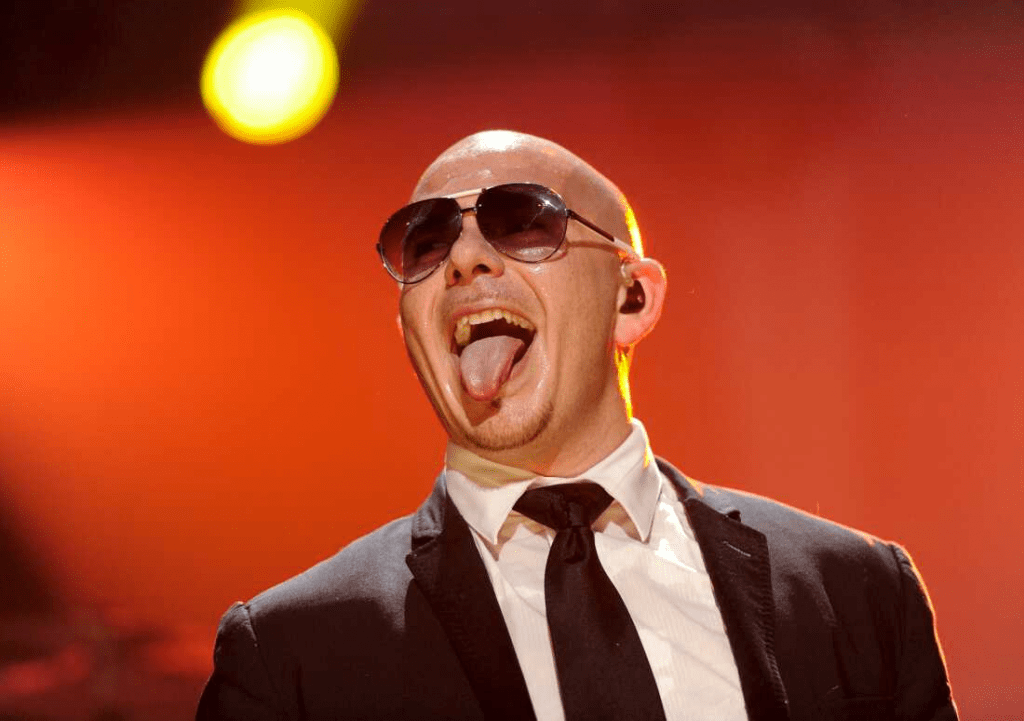
Armando Christian Pérez, known globally as Pitbull or “Mr. Worldwide,” transformed from Miami street hustler to international superstar through relentless determination, business savvy, and cultural authenticity. Born to Cuban immigrant parents in Miami’s Little Havana, Pitbull overcame poverty, family struggles, and industry rejection to become one of music’s most successful artists and entrepreneurs.
His journey represents the American Dream realized through Latin fusion music that transcends language barriers and cultural boundaries. Beyond chart-topping hits, Pitbull has built a business empire spanning music production, brand partnerships, charter schools, and global ambassadorships. His story demonstrates how embracing heritage while appealing to universal themes can create unprecedented success in entertainment and business.
Humble Beginnings in Little Havana
Armando Christian Pérez was born on January 15, 1981, in Miami, Florida, to Cuban immigrant parents who fled Castro’s regime seeking the American Dream. According to biographical accounts from Biography.com, his childhood in Little Havana was far from glamorous—marked by poverty, his parents’ divorce when he was young, and exposure to Miami’s street culture that could have led him down a destructive path.
Living primarily with his mother in public housing, young Armando witnessed drug dealing, violence, and the daily struggles of immigrant communities trying to survive in America. However, rather than succumbing to these challenges, he found refuge in poetry and rap music. His mother, recognizing the dangerous environment, temporarily placed him in foster care to protect him from negative influences.
Why “Pitbull”?
As a teenager, Armando adopted the stage name “Pitbull” because, as he explained in interviews, pitbull dogs “bite to lock”—once they grab onto something, they don’t let go. This determination would define his entire career. He intended to grab the music industry and never let go until he succeeded.
His early experiences navigating Miami’s diverse cultural landscape—where Latin, Caribbean, and American cultures intersect daily—became the foundation for his signature sound. Growing up bilingual and bicultural wasn’t a disadvantage; it was his secret weapon for global appeal.
The Long Road to Breakthrough
Early Career Struggles
Pitbull’s first major break came in the early 2000s when he caught the attention of Lil Jon, the “King of Crunk,” who featured him on the 2002 album “Kings of Crunk.” According to AllMusic, this exposure led to his debut album “M.I.A.M.I.” (Money Is A Major Issue) in 2004.
While the album established him as a rising force in Miami bass and crunk music, mainstream success remained elusive. Pitbull spent years grinding—releasing albums that performed modestly, appearing as a featured artist on other people’s tracks, and touring relentlessly to build his fanbase city by city.
The struggle period taught him valuable lessons:
- Persistence pays: He released four albums before achieving major crossover success
- Collaboration opens doors: Features on other artists’ tracks kept him relevant and expanded his audience
- Business matters: He learned the music industry’s business side, understanding contracts, royalties, and branding
- Authentic voice wins: He never abandoned his Cuban-American identity or bilingual approach
The Turning Point: Strategic Evolution
Pitbull’s transformation into “Mr. Worldwide” resulted from strategic artistic evolution rather than luck. According to music industry analysis from Billboard, he recognized that pure hip-hop had geographical and demographic limitations for the crossover success he envisioned.
His 2009 hit “I Know You Want Me (Calle Ocho)” marked the critical turning point. The song’s infectious beat, bilingual lyrics, party atmosphere, and unique blend of hip-hop with electronic and Latin influences reached #2 on the Billboard Hot 100 and became a global phenomenon. Suddenly, Pitbull wasn’t just a Miami rapper—he was an international star.
The Evolution of Mr. Worldwide
Musical Transformation Timeline
| Era | Musical Style | Key Collaborations | Breakthrough Hits | Achievement |
|---|---|---|---|---|
| Early Years (2004-2008) | Miami Bass, Crunk, Reggaeton | Lil Jon, Fat Joe, Trick Daddy | “Culo,” “Bojangles,” “Go Girl” | Regional recognition |
| Crossover Period (2009-2011) | Pop-Rap Fusion, EDM influences | Ne-Yo, Afrojack, Nayer | “I Know You Want Me,” “Give Me Everything” | First #1 hit, mainstream breakthrough |
| Global Domination (2012-2015) | EDM-Pop-Latin fusion | Ke$ha, Christina Aguilera, Jennifer Lopez | “Timber,” “Feel This Moment,” “Fireball” | International superstardom |
| Sustained Success (2016-Present) | Latin Pop, Global collaborations | J Balvin, Camila Cabello, Daddy Yankee | “Hey Ma,” “3 to Tango,” “I Believe That We Will Win” | Legacy building, business expansion |
The Winning Formula
Pitbull developed a formula that proved commercially unstoppable. According to analysis from Forbes, his success strategy included several key elements:
Universal Party Themes: His music focuses on celebration, success, romance, and having a good time—themes that transcend cultural and language barriers. Unlike many hip-hop artists who focus on struggle or street life, Pitbull’s music is relentlessly positive and inclusive.
Bilingual Accessibility: Seamlessly switching between English and Spanish within songs makes his music accessible to both English-speaking and Spanish-speaking audiences. He doesn’t translate—he naturally flows between languages as Miami’s Cuban-American community does daily.
Strategic Collaborations: Working with artists across genres (pop, EDM, country, Latin) and from different countries expanded his reach exponentially. Each collaboration introduced him to new audiences while maintaining his core identity.
Radio-Friendly Production: Clean lyrics and infectious beats made his music suitable for mainstream radio, clubs, sporting events, and commercial use—maximizing exposure and revenue streams.
Cultural Authenticity: Despite commercial success, he never abandoned his Cuban heritage or Miami roots, maintaining credibility with Latino audiences while appealing to mainstream markets.
Building a Business Empire
Beyond the Music
Pitbull’s business acumen separates him from many artists who achieve musical success but fail to build lasting wealth. According to Entrepreneur Magazine, at his peak he earned over $35 million annually—with less than half coming from music sales and touring.
Major Business Ventures:
Brand Partnerships: Long-term relationships with major corporations including Bud Light, Dr Pepper, Dodge, and Norwegian Cruise Line. These aren’t just endorsement deals—Pitbull serves as genuine brand ambassador, appearing in campaigns and integrating products naturally into his lifestyle.
Voli Vodka: Co-ownership of a premium vodka brand marketed as a lower-calorie option. The brand capitalizes on his party-lifestyle image while demonstrating entrepreneurial instincts beyond entertainment.
Fragrance Empire: Multiple successful fragrances through Jacavi Worldwide, tapping into the lucrative celebrity fragrance market where profit margins exceed music industry returns.
Sports Ownership: Minority stake in Trackhouse Racing, a NASCAR team, expanding his portfolio into American motorsports and reaching entirely different demographics.
Media Production: Pitbull Productions creates content for television, digital platforms, and other artists, allowing him to control narratives and build intellectual property assets.
Real Estate Investments: Strategic property investments in Miami and other markets, building generational wealth beyond entertainment income.
Education: The Most Meaningful Investment
Perhaps Pitbull’s most impactful venture is SLAM! (Sports Leadership and Management) charter schools. According to Education Week, these tuition-free public charter schools in Miami serve predominantly Latino students from low-income backgrounds—students facing circumstances similar to Pitbull’s childhood.
The schools provide college preparatory education with emphasis on sports management careers, combining academic rigor with practical business training. SLAM! schools have achieved impressive results:
- Graduation rates exceeding 90%, well above district averages
- High percentage of graduates attending college
- Recognition for academic performance and student achievement
- Expansion to multiple campuses serving hundreds of students
This isn’t celebrity philanthropy for tax benefits or publicity—it’s genuine community investment. Pitbull actively participates in school events, speaks to students, and uses his story to inspire young people that success is possible regardless of circumstances.
Also read Pitbull ‘I’m Back’ Tour 2026: 35 Cities With Lil Jon – Tickets On Sale.
Cultural Impact and Legacy
Breaking Down Barriers
Pitbull’s success carries significance beyond entertainment charts and business ventures. According to cultural analysis from NPR, he represents Latino achievement in mainstream American culture during a crucial period for representation and inclusion.
His cultural contributions include:
Normalizing Bilingualism in Pop Music: Before Pitbull’s mainstream success, Spanish lyrics were largely confined to Latin music categories. He proved that bilingual songs could dominate mainstream charts, paving the way for today’s Latin music explosion.
Redefining Latino Identity: Presenting a confident, successful, business-savvy Latino persona that transcends stereotypes. He’s neither the struggling immigrant nor the street thug—he’s the global entrepreneur who honors his heritage.
Bridging Cultural Divides: Creating music that genuinely appeals to diverse audiences—white, Black, Latino, Asian—and brings people together in clubs, stadiums, and festivals worldwide.
Opening Industry Doors: His commercial success demonstrated to record labels and radio programmers that Latino artists singing partially in Spanish could achieve mainstream American success, creating opportunities for subsequent artists.
Influence on Today’s Latin Music Boom
The current Latin music explosion—with artists like Bad Bunny, J Balvin, and Rosalía dominating global streaming charts—owes significant debt to Pitbull’s groundwork. According to music historians cited by Rolling Stone, his commercial success in the late 2000s and early 2010s proved that Latin-influenced music could achieve mainstream American success without completely abandoning Spanish lyrics or cultural elements.
When Bad Bunny now breaks streaming records while performing almost exclusively in Spanish, he benefits from doors Pitbull opened through commercial success, industry acceptance, and proven international market demand.
Lessons from the Mr. Worldwide Journey
Success Principles Worth Emulating
Business analysts at Inc. Magazine have identified key principles from Pitbull’s success story applicable to entrepreneurs and artists:
Stay Authentic: Never abandon your identity or heritage. Pitbull’s Cuban-American background isn’t something he overcame—it’s his competitive advantage.
Adapt Without Compromising: Evolution doesn’t mean selling out. Pitbull adapted his sound for mainstream success while maintaining his core identity and values.
Build Multiple Revenue Streams: Diversification protects against industry changes. Music success funded business ventures that now generate independent wealth.
Collaborate Generously: View other artists as potential partners, not competitors. Pitbull’s willingness to collaborate expanded his reach exponentially.
Give Back Meaningfully: Success creates responsibility to help others. SLAM! schools represent genuine community investment, not publicity stunts.
Work Relentlessly: Overnight success is a myth. Pitbull spent years grinding before breakthrough, and continues working hard despite achieving wealth.
Think Globally: Don’t limit yourself to one market, genre, or audience. True success comes from appealing to the broadest possible audience while maintaining authenticity.
The Bottom Line
Pitbull’s journey from Little Havana poverty to becoming “Mr. Worldwide” embodies the American Dream while proudly maintaining Latino heritage. His story proves that authenticity, relentless work ethic, strategic thinking, and genuine talent can overcome any obstacles—poverty, family struggles, industry rejection, or cultural barriers.
“Mr. Worldwide” isn’t marketing fluff—it’s an earned title representing decades of hustle, cultural bridging, and business brilliance. From billion-stream hits to charter schools, from global brand partnerships to breaking cultural barriers, Pitbull has built a legacy extending far beyond entertainment.
For aspiring artists, entrepreneurs, and anyone facing difficult circumstances, his success offers genuine inspiration: stay true to your roots, work relentlessly toward your vision, adapt strategically to opportunities, diversify your efforts, and never forget where you came from while reaching for global heights. Success isn’t about abandoning your identity—it’s about leveraging it to create something the world has never seen before.
Sources Referenced: