


DC Studios co-CEO James Gunn has officially cast German actor Lars Eidinger as Brainiac in the upcoming Superman sequel, tentatively titled ‘Man of Tomorrow.’ This strategic casting represents a significant shift toward psychologically complex villain portrayals, leveraging Eidinger’s acclaimed dramatic credentials from European cinema and theater. The announcement signals DC Studios’ commitment to elevated storytelling and internationally recognized talent, following the successful approach established in the 2025 Superman reboot. This decision has generated substantial discussion within the DC fanbase regarding the franchise’s creative direction and Gunn’s vision for sophisticated, character-driven superhero narratives.
Lars Eidinger Cast as Brainiac: A Strategic Shift in DC Villain Portrayal
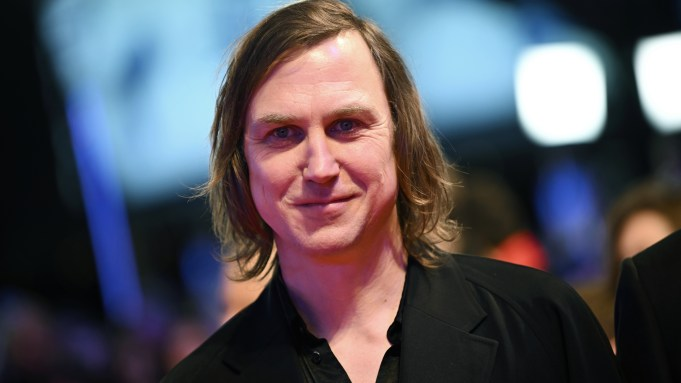
DC Studios announced in December 2024 that German actor Lars Eidinger will portray Brainiac in the Superman sequel, currently titled ‘Man of Tomorrow.’ According to official statements from DC Studios, this casting marks a deliberate departure from conventional superhero villain selections, prioritizing dramatic depth over action credentials.
Eidinger, renowned for his work with German director Mia Hansen-Løve and extensive theater experience at Berlin’s Schaubühne, brings substantial dramatic gravitas to the role. Industry analysts at The Hollywood Reporter note this approach aligns with James Gunn’s established pattern of subverting genre expectations while maintaining source material integrity, as demonstrated in Guardians of the Galaxy and The Suicide Squad.
The announcement arrives as DC Studios establishes a cohesive cinematic universe under Gunn’s creative leadership. Interviews with Variety confirm that Gunn’s vision prioritizes character development and thematic depth over spectacle-driven storytelling. The Brainiac casting exemplifies this philosophy, indicating that the franchise will emphasize sophisticated performances and nuanced characterizations.
Brainiac’s Significance and Why This Casting Matters
Brainiac represents one of Superman’s most intellectually complex adversaries in DC Comics history. Originally introduced in Action Comics #242 (1958), the character embodies technological advancement without ethical constraints and the dehumanizing potential of pure intellect. According to DC Database, Brainiac’s most compelling iterations present him as a collector of civilizations, shrinking entire cities while destroying their source planets—a narrative rich with metaphorical potential for exploring cultural preservation and artificial intelligence ethics.
Eidinger’s career trajectory makes him particularly suited for this complex characterization. His performance in “Personal Shopper” (2016) demonstrated his ability to convey otherworldly detachment while maintaining emotional accessibility. His work in “Sibyl” (2019) showcased his talent for depicting characters whose intellectual superiority creates isolation and ethical blindness—qualities directly applicable to Brainiac’s core characteristics.
Deadline sources suggest Gunn’s interpretation will emphasize Brainiac’s origins as artificial intelligence, potentially drawing from the character’s “New 52” iteration where he served as Colu’s collective intellect. This version raises philosophical questions about consciousness and identity—themes resonating with contemporary audiences navigating AI advancement. Eidinger’s casting indicates these intellectual dimensions will take precedence over traditional villain archetypes.
The decision to feature Brainiac in the sequel demonstrates commitment to exploring Superman’s thematically rich conflicts. Unlike Lex Luthor (representing human ambition) or General Zod (embodying militaristic authoritarianism), Brainiac forces Superman to confront questions about Kryptonian heritage preservation, the value of knowledge versus wisdom, and whether civilizations can be saved against their will.
Also read ” From Babylon Berlin to Hollywood Blockbusters: Lars Eidinger’s Unstoppable Rise in International Cinema “.
Lars Eidinger’s Professional Background and Artistic Approach
Lars Eidinger (born 1976, Berlin) has established himself as one of Europe’s most respected performers through acclaimed work in theater and art house cinema. His collaboration with director Thomas Ostermeier at the Schaubühne theater earned critical recognition for physically demanding, psychologically intense performances in Hamlet, Richard III, and Hedda Gabler.
According to The Guardian, Eidinger’s approach emphasizes deep psychological research, physical transformation, and exploration of uncomfortable emotional territories. His film work demonstrates remarkable range, from “Clouds of Sils Maria” (2014) to “Alle Anderen” (2009), which earned him the Silver Bear at the Berlin International Film Festival.
Gunn’s selection of Eidinger continues Hollywood’s increasingly global casting approach, recognizing exceptional talent beyond traditional American and British actor pools. Industry observers note that Eidinger’s relative unfamiliarity to mainstream American audiences could enhance Brainiac’s alienness, allowing viewers to encounter the character without preconceptions.
His theatrical background particularly distinguishes him for this role. Stage performances require sustained emotional intensity and precise physical control—skills translating exceptionally well to motion capture and voice work, technologies likely essential for realizing Brainiac’s cybernetic nature. His experience performing Shakespeare and classical Greek tragedy suggests comfort with heightened dialogue and philosophical discourse.
Furthermore, Eidinger’s public engagement with contemporary social and political issues aligns with Gunn’s desire for culturally resonant superhero films. European interviews reveal his interest in themes of digital isolation, commodification of human experience, and the dangers of divorcing knowledge from ethical responsibility—all directly relevant to thoughtful Brainiac interpretations.
James Gunn’s Creative Vision for the DC Universe
James Gunn’s approach fundamentally differs from previous DC franchise leadership, emphasizing interconnected storytelling, tonal consistency, and character-driven narratives. Since assuming DC Studios co-leadership with Peter Safran in late 2022, Gunn has articulated clear vision for rebuilding audience trust through quality control and creative coherence.
According to IGN, Gunn’s philosophy prioritizes hiring filmmakers and actors who genuinely understand characters rather than seeking commercial appeal alone. The 2025 Superman film reportedly draws inspiration from Grant Morrison’s “All-Star Superman,” emphasizing Clark Kent’s fundamental decency and optimism—deliberately countering darker previous portrayals. Preliminary reports from Box Office Mojo indicate this approach achieved both critical and commercial success.
By introducing Brainiac as primary antagonist, Gunn establishes thematic progression testing Superman’s optimistic worldview against a villain embodying pure logic without empathy. The Wrap sources suggest the narrative will explore Superman’s Kryptonian heritage through Brainiac’s possession of Kandor, forcing confrontation with questions about identity and responsibility.
Gunn’s track record with complex villains provides encouraging precedent. The Suicide Squad demonstrated his ability to generate emotional investment in morally compromised characters while maintaining tonal balance. His portrayal of Starro as simultaneously absurd and genuinely tragic proved his skill at finding emotional truth within fantastical premises—capabilities directly applicable to creating compelling Brainiac.
Industry Analysis and Fan Reception
The Lars Eidinger Brainiac casting generated diverse reactions across DC fandom communities and entertainment media. According to Fandom Pulse sentiment analysis, responses divided into three categories: enthusiastic support from fans trusting Gunn’s vision, cautious optimism from those unfamiliar with Eidinger’s work, and skepticism from segments preferring conventional casting.
Supporters frequently cite Gunn’s established track record of unconventional choices yielding exceptional results—including casting Chris Pratt as Star-Lord and John Cena as Peacemaker. These precedents created substantial goodwill toward Gunn’s judgment within significant portions of the DC fanbase.
Film critics and analysts writing for IndieWire and The Film Stage responded positively, viewing the announcement as evidence of superhero cinema’s maturation beyond formulaic casting patterns. Comparisons to Heath Ledger’s initially controversial but ultimately iconic Joker casting suggest unconventional choices often produce the most memorable results.
Marketing considerations also factor into industry analysis. While Eidinger lacks immediate name recognition compared to rumored candidates like Javier Bardem or Christoph Waltz, his selection allows DC Studios to position the film as a prestige project attracting serious dramatic talent. This strategy aligns with successful campaigns for films like Joker (2019), which leveraged Joaquin Phoenix’s artistic credibility to attract audiences beyond typical demographics.
The international dimension of Eidinger’s casting presents strategic opportunities for global marketing. His established popularity in European markets could drive interest in regions where American superhero films sometimes face cultural resistance, positioning the Superman franchise as genuinely global rather than exclusively American cultural export.
Production Timeline and DC Universe Implications
According to Production Weekly, pre-production for ‘Man of Tomorrow’ is scheduled for mid-2025, with principal photography anticipated for late 2025 or early 2026. This timeline suggests a 2027 theatrical release, allowing sufficient time for complex visual effects work that Brainiac’s character will require.
The casting of Eidinger likely indicates performance capture and voice work will constitute significant portions of the portrayal. VFX Voice industry veterans speculate the character might blend practical makeup effects with digital enhancements, creating hybrid approach preserving Eidinger’s emotional expressiveness while achieving necessary alienness.
Story elements remain speculative, though comic precedent and Gunn’s thematic interests suggest Brainiac’s possession of Kandor will create personal stakes while raising philosophical questions about heritage and preservation. Sources indicate the script may explore whether restoring Kandor constitutes genuine salvation or imposition of Superman’s will—a morally complex dilemma challenging superhero cinema’s typical binary morality.
Broader DC Universe implications extend beyond the immediate Superman franchise. Brainiac’s technological nature and cosmic scope create natural connection points to planned projects including Green Lantern narratives and Supergirl storylines. Industry analysts suggest Brainiac could serve as recurring presence across multiple films, providing narrative cohesion while maintaining interconnected universe structure.
Comparative Analysis: Major Superhero Villain Castings
| Actor | Character | Film | Background | Approach |
|---|---|---|---|---|
| Lars Eidinger | Brainiac | Man of Tomorrow (2027) | European theater/art cinema | Psychological complexity, intellectual menace |
| Heath Ledger | Joker | The Dark Knight (2008) | Dramatic film | Method acting, anarchic energy |
| Josh Brolin | Thanos | MCU (2014-2019) | Character actor | Performance capture, tragic villain |
| Michael B. Jordan | Killmonger | Black Panther (2018) | Rising dramatic star | Sympathetic antagonist |
| Cate Blanchett | Hela | Thor: Ragnarok (2017) | Prestigious actress | Theatrical villainy with depth |
This analysis demonstrates successful superhero villain performances typically emerge from unconventional casting prioritizing dramatic capability over traditional action credentials. The Eidinger Brainiac casting follows this pattern, suggesting potential for performance transcending typical genre expectations.
Conclusion: Implications for Superhero Cinema’s Evolution
The Lars Eidinger Brainiac casting represents more than casting decision—it symbolizes the superhero genre’s evolution toward sophisticated storytelling accommodating complex performances and thematic depth. By selecting an actor of Eidinger’s caliber for a role that could have gone to more commercially obvious choices, Gunn signals his commitment to prioritizing artistic merit alongside entertainment value.
As production progresses, the entertainment industry and DC fandom will closely monitor whether this bold casting delivers its promised transformative performance. If successful, ‘Man of Tomorrow’ could establish new benchmarks for superhero villain portrayals, demonstrating the genre’s potential when filmmakers possess vision and courage to explore uncharted creative territories.