

This article chronicles Sylvester Stallone’s extraordinary journey from desperate poverty to Hollywood stardom, detailing how the struggling actor was forced to sell his beloved dog Butkus for $25 before writing the iconic Rocky screenplay in just three days. The piece explores Stallone’s pre-fame hardships, his determination to star in Rocky despite lucrative buyout offers exceeding $300,000, and how he ultimately bought back his dog for $15,000. This inspiring rags-to-riches story demonstrates perseverance, creative vision, and the transformative power of believing in oneself against overwhelming odds.
Hollywood has produced countless success stories, but few match the remarkable transformation of Sylvester Stallone from a destitute, unknown actor to one of cinema’s most recognizable action stars. The journey that led to the creation of Rocky remains one of the most inspiring tales in entertainment history, marked by heartbreaking sacrifices and unwavering determination.
The Desperate Years Before Fame
Before becoming synonymous with boxing greatness, Sylvester Stallone endured years of crushing poverty in New York City during the early 1970s. According to biographical accounts, the aspiring actor faced constant rejection, surviving on sporadic acting gigs that barely kept him afloat. His financial situation became so dire that he often slept at the Port Authority Bus Terminal when he couldn’t pay rent.
During this period, Stallone had one constant companion: his bull mastiff, Butkus. The dog represented family, loyalty, and hope during impossibly difficult times. However, financial desperation reached a breaking point that forced an unthinkable decision.
Selling His Best Friend for Survival
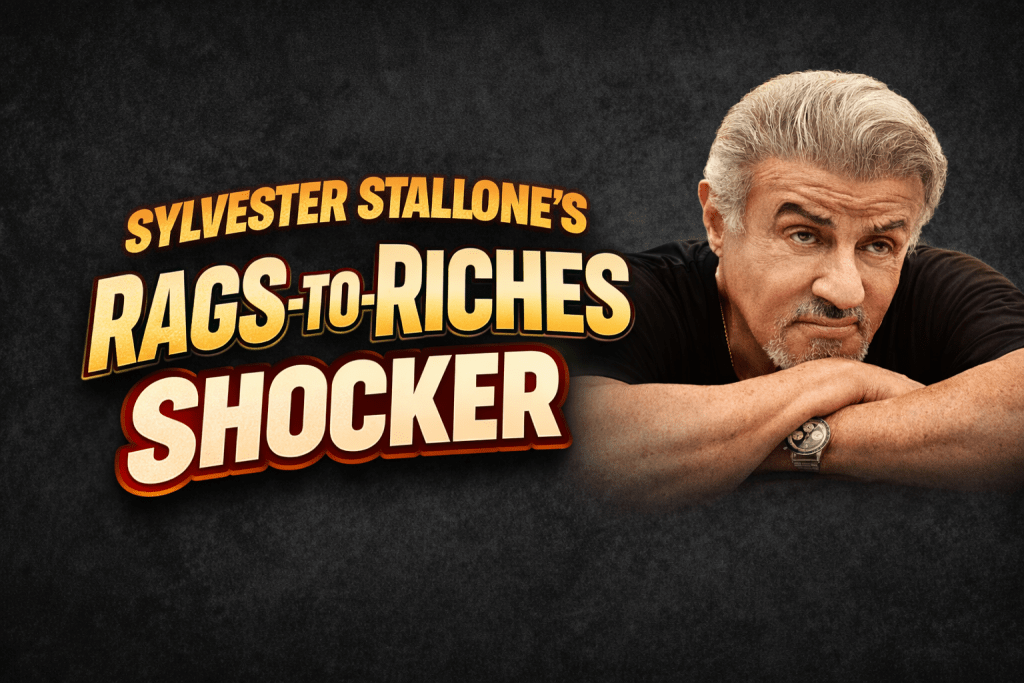
In 1975, with literally no money for food or rent, Stallone stood outside a 7-Eleven store attempting to sell Butkus to strangers. According to Stallone’s own accounts, he eventually sold his beloved dog to a stranger for just $25—barely enough to cover immediate survival needs.
“I was so broke, I had to sell my dog,” Stallone later revealed, describing it as one of the lowest moments of his life. The transaction represented rock bottom for the aspiring actor who questioned whether his Hollywood dreams would ever materialize.
The Fight That Changed Everything
The catalyst for Stallone’s transformation came on March 24, 1975, when he watched the underdog boxing match between Muhammad Ali and Chuck Wepner. Wepner, a relatively unknown fighter, lasted an astonishing 15 rounds against the heavyweight champion before losing by technical knockout.
The bout’s David-versus-Goliath narrative resonated deeply with Stallone, who saw parallels between Wepner’s unlikely opportunity and his own struggles for recognition. Energized by inspiration, Stallone reportedly wrote the first draft of Rocky in just three and a half days, pouring his experiences with poverty and rejection into every scene.
The Ultimate Test of Faith
The Rocky screenplay quickly attracted attention from United Artists producers, who recognized its commercial potential. However, they wanted established stars to play Rocky Balboa. What happened next demonstrated Stallone’s extraordinary conviction in his creative vision.
Studio Offers Stallone Refused
| Offer Amount | Studio Condition | Stallone’s Response |
|---|---|---|
| $25,000 | Use established actor (Ryan O’Neal suggested) | Refused |
| $100,000 | Cast bigger name in lead role | Refused |
| $250,000 | Accept supporting role instead | Refused |
| $330,000+ | Final offer with different lead | Refused |
According to entertainment industry reports, United Artists offered increasingly substantial sums eventually exceeding $300,000—an astronomical amount for someone who had recently sold his dog for $25. Studio executives wanted stars like Ryan O’Neal, Burt Reynolds, or James Caan, believing Stallone lacked the name recognition.
Despite facing continued poverty and life-changing money on the table, Stallone maintained one unwavering condition: he would only sell the screenplay if he could star as Rocky Balboa. Friends and family questioned his judgment, unable to understand why someone in desperate circumstances would turn down such offers.
The Dream Becomes Reality
Eventually, producers agreed to Stallone’s terms with significant compromises. The film received a modest $1 million budget and was shot in just 28 days. Stallone accepted approximately $35,000 for writing and starring—a fraction of what he could have earned by selling the script outright.
Buying Back Butkus
Once Stallone received his initial payment, one of his first priorities was finding and buying back Butkus. He located the man who had purchased his dog and negotiated a reunion. According to Stallone’s recollections, buying back Butkus cost approximately $15,000—six hundred times what he had sold the dog for. Remarkably, Butkus appears in Rocky and Rocky II, playing Rocky Balboa’s dog, allowing Stallone’s real-life companion to share in his cinematic triumph.
The Legendary Success
Rocky premiered on November 21, 1976, and became an immediate cultural phenomenon. The film earned over ten Academy Award nominations, winning Best Picture, Best Director, and Best Film Editing. Stallone received nominations for Best Actor and Best Original Screenplay. The underdog story grossed over $225 million worldwide against its tiny budget, launching one of cinema’s most successful franchises.
Why This Story Still Matters Today
Decades later, Stallone’s journey continues inspiring millions worldwide. His story demonstrates that success often requires sacrificing short-term security for long-term vision and maintaining belief in one’s abilities when no one else does. The Rocky franchise has generated eight films (including the Creed series), with Stallone’s net worth growing to an estimated $400 million.
Yet he frequently references those struggling years and the sacrifice of Butkus as formative experiences that shaped his character. The lesson remains timeless: our darkest moments often precede our greatest breakthroughs, and staying true to one’s purpose—regardless of external pressure—can lead to extraordinary outcomes that change not only individual lives but inspire generations.