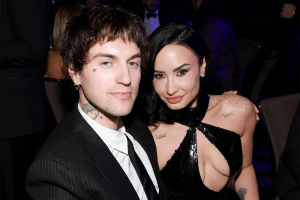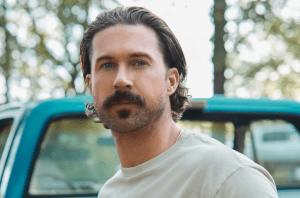


SUMMARY: Wednesday actress Jenna Ortega, 23, is facing a wave of fan backlash after being repeatedly sighted with Danish musician Elias Bender Rønnenfelt, 34 — frontman of Copenhagen punk rock band Iceage — sparking intense scrutiny of Rønnenfelt’s past controversies. The pair have not publicly confirmed a relationship, but were filmed together in Dublin on March 22, 2026 in what fans described as an intimate pub setting, and have been linked since October 2025 following Ortega’s appearance in Rønnenfelt’s “Mona Lisa” music video. Rønnenfelt’s past includes two significant controversies: artwork he created for Iceage at age 18 that incorporated symbols linked to neo-Nazis and fascists, and Iceage platforming a band with a racist name at a festival they organised. Both controversies were addressed directly by Rønnenfelt in a Pitchfork interview in March 2021, in which he called himself “dumbfounded” at the initial allegations, claimed the symbols were copied from a 1980s film (Roller Blade) without understanding their political significance, and stated categorically: “We are most definitely not right-wing and we don’t have any sympathies or leanings to that side.” In a separate 2025 editorial interview with 032c magazine, Rønnenfelt also revealed that his grandfather was a Resistance fighter against Nazi occupation in Copenhagen during World War II — a biographical detail his defenders have cited in rebuttal of the neo-Nazi framing. The age gap between Rønnenfelt (born March 24, 1992) and Ortega (born September 27, 2002) is 11 years. Neither has commented on the current controversy.
Jenna Ortega Boyfriend 2026: How the Elias Rønnenfelt Rumours Started
The association between Jenna Ortega and Elias Rønnenfelt began attracting public attention in October 2025, when Ortega appeared in the music video for “Mona Lisa” — a track from Rønnenfelt’s solo project. Music video appearances by actors alongside musicians are common professional collaborations, but the chemistry visible in the video and the pair’s subsequent public sightings prompted speculation that went beyond a professional relationship.
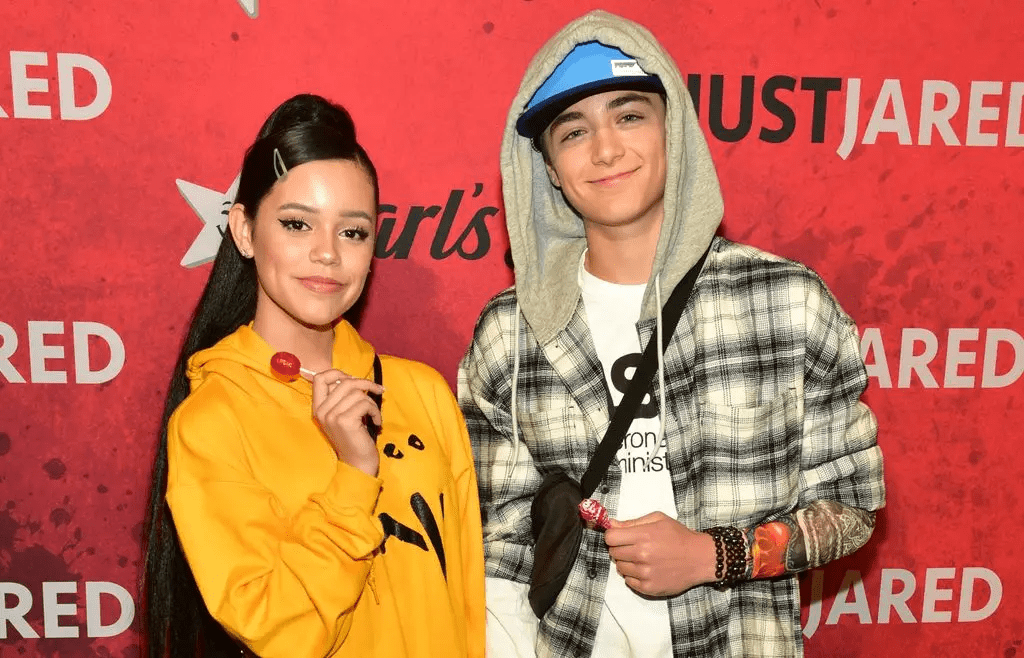
Since October 2025, they have been seen together on multiple occasions across Europe. They were described as “lovey-dovey” in Denmark, photographed in Copenhagen, and reportedly seen together at a pub in Dublin — where a fan captured video of them sitting side by side in what observers described as a close, possibly romantic setting. That Dublin footage, shot on March 22, 2026, went viral on social media on or around April 1, 2026, triggering the current wave of backlash.
A separate piece of footage showing Rønnenfelt with his arm around Ortega spread simultaneously across X (formerly Twitter), with fan reactions ranging from disappointment to alarm once Rønnenfelt’s background began circulating.
Neither Ortega nor Rønnenfelt has publicly confirmed a romantic relationship. Ortega has historically been extremely private about her personal life, stating in a 2023 interview: “I’m not ready to be that vulnerable or trusting with someone.”
Sources: Parade | Primetimer | The Tab | The Mirror US
Elias Rønnenfelt Neo-Nazi Accusations: The Artwork Controversy Explained
The most serious allegation that has resurfaced in connection with Rønnenfelt is the claim that he used neo-Nazi and fascist imagery in artwork he created for Iceage early in the band’s career.
The context matters significantly. Iceage was formed in 2008 when its members were approximately 17 years old — they were teenagers in Copenhagen’s underground punk scene. The artwork in question was created when Rønnenfelt was approximately 18, around 2010 — before the band had any significant public profile.
The imagery drew criticism from observers who identified symbols associated with neo-Nazi and fascist movements. When the criticism resurfaced in the music press, it triggered a broader controversy around Iceage’s aesthetics, which critics described as incorporating “quasi-fascist imagery.”
Rønnenfelt addressed these allegations directly in a Pitchfork interview in March 2021, speaking with evident discomfort about the period:
“When a lot of these allegations came out, we were dumbfounded. Now I understand that we hold a responsibility on our shoulders to make it clear what we stand for.”
His explanation for the symbols: he claimed they were copied from a 1980s film called Roller Blade and that he did not understand their political significance or the offence they could cause at the time.
“What some people took from it was not our intent. I hope that it’s very clear, and I think it is for anybody who has followed us, that we are most definitely not right-wing and we don’t have any sympathies or leanings to that side.”
Whether this explanation is adequate is a matter of ongoing debate among fans. Critics argue that ignorance of a symbol’s meaning does not negate the harm caused by using it. Defenders argue that judging an 18-year-old’s artwork choices against an adult’s standard of political awareness is unfair, particularly given the band’s subsequent evolution and his public disavowal.
Sources: The Mirror US | The Tab | Primetimer | Bollywood Shaadis
The Festival Band Controversy: A Second Strike
The second controversy attached to Rønnenfelt concerns an Iceage-curated festival at which a band calling themselves White N****** was invited to perform.
Unlike the artwork controversy — which Rønnenfelt frames as youthful ignorance — the festival booking is harder to explain away, and he has not tried to. In the same 2021 Pitchfork interview, he offered a more direct admission of failure:
“There’s no way of excusing this. They weren’t a band that had ever played before. They were some people that we knew were active in Antifa activism. I don’t know what the f*ck their intent was with that [band name].”
He elaborated: “I f***ing deeply regret that we failed to speak up there and prevent it, and that we failed to see how f**ked up and harmful having a band… I’m embarrassed to have shared a stage with a band with that name.”
Rønnenfelt claimed he believed at the time that the name was intended as a provocative political statement from a leftist perspective — a misreading he now says he regrets without qualification.
For critics who were already suspicious of the earlier imagery, the festival booking compounded those concerns. For those who accept his explanation, the frank admission of error and embarrassment distinguishes his response from the typical PR-managed non-apology.
Sources: The Mirror US | The Tab | Fakta.co
The Context Critics Miss: Rønnenfelt’s Grandfather Fought the Nazis
One piece of biographical context has been largely absent from the viral backlash coverage, but is directly relevant to the neo-Nazi framing.
In a 2025 editorial interview with 032c magazine, Rønnenfelt revealed a striking family history. While at the Pitchfork Festival in Chicago, he was asked to speak on camera about an object meaningful to him — he was wearing his great-grandfather’s wedding ring, given to him by his mother.
He explained what his great-grandfather had done during World War II, when Copenhagen was under Nazi occupation: the man ran a café that German soldiers frequented, getting drunk and speaking freely — assuming he didn’t understand German. He was, in fact, a former military man who spoke the language fluently. He listened to their plans and reported them to the Danish Resistance. He also sent Rønnenfelt’s grandfather — “who was just a kid” — to break into German tanks and steal equipment, which they hid in the family attic.
The family’s documented history of active anti-Nazi resistance does not resolve questions about the imagery choices Rønnenfelt made at 18. But it provides material context that complicates the straightforward neo-Nazi framing that has circulated on social media this week. A person whose grandfather sabotaged Nazi forces as a child is not the obvious demographic for ideological sympathy with those forces.
Sources: 032c magazine — 2025 interview
Who Is Elias Rønnenfelt? Iceage, Solo Career, Poet
For the majority of Ortega’s fanbase encountering Rønnenfelt for the first time through this controversy, background on who he actually is provides essential context.
Elias Bender Rønnenfelt was born on March 24, 1992 in Copenhagen, Denmark, in the Nørrebro district — an area he describes as full of activism and subversive energy during his childhood. He is 34 years old as of March 2026.
He co-founded Iceage in 2008 at age 16, alongside schoolmates who became the band’s core lineup. When they formed, the members averaged 17 years old. The band released their debut album New Brigade in 2011 — a raw post-punk record that drew comparisons to Joy Division and received immediate critical attention internationally. Iggy Pop famously called Iceage “the only current punk band that sounds really dangerous.”
Iceage’s full discography:
| Album | Year | Label |
|---|---|---|
| New Brigade | 2011 | What’s Your Rupture? |
| You’re Nothing | 2013 | Matador Records |
| Plowing Into the Field of Love | 2014 | Matador Records |
| Beyondless | 2018 | Matador Records |
| Seek Shelter | 2021 | Mexican Summer |
Beyond Iceage, Rønnenfelt has sustained a parallel career under the name Marching Church (This World Is Not Enough, 2015; Telling It Like It Is, 2016), released a solo debut Heavy Glory (2024), collaborated with experimental musician Dean Blunt on the EP Lucre (2025), and announced his second solo album Speak Daggers in 2025. He has also published a book of poetry, Sunken Heights (2023), translated from Danish into English — a project he described as more arduous than writing the poems themselves.
He is routinely described in music journalism as one of the most literate frontmen in contemporary rock — praised by figures including Richard Hell and the subject of extensive profile coverage in publications including The Ringer, Pitchfork, Crack Magazine, Hero Magazine, and 032c. The Ringer described him as “the somehow-now-29-year-old poet laureate behind one of rock’s most literate groups.”
Rønnenfelt has described himself as agnostic, noting his father’s skepticism offset a “hardcore Catholic” paternal family background that included a pastor grandfather.
Sources: Wikipedia — Iceage | The Ringer | 032c magazine | Teeth Magazine
Jenna Ortega Age Gap: 11 Years Between a 23-Year-Old and a 34-Year-Old
The age component of the backlash is distinct from the ideology-related concerns but is driving its own conversation.
Jenna Ortega was born on September 27, 2002 — she is 23 years old. Elias Rønnenfelt was born on March 24, 1992 — he turned 34 on March 24, 2026. The age gap between them is 11 years.
An 11-year gap between two adults in their twenties and thirties is not legally or socially extraordinary. But in the context of Ortega’s public persona — she rose to global fame as a teenager playing teenager characters, most prominently in Wednesday — the gap has prompted discussion about age dynamics in celebrity relationships.
The celebrity age gap debate has become a recurring social media topic across multiple high-profile relationships. Critics argue that significant age gaps in relationships between someone in their early twenties and someone in their mid-thirties can reflect power imbalances that are not captured by the simple fact of both parties being legal adults. Supporters of the relationship argue that two consenting adults’ age difference is not a public matter.
Ortega has not spoken on the relationship at all. Her 2023 statement about preferring privacy — “I’m not ready to be that vulnerable or trusting with someone” — predates the current speculation but is being circulated widely in the current conversation.
Sources: The Mirror US | Bollywood Shaadis | Wikipedia — Iceage
Jenna Ortega Career and Why This Controversy Lands Differently
The backlash around Ortega’s rumoured relationship with Rønnenfelt is amplified by a specific piece of recent history in her career — making the controversy feel more layered than a standard celebrity dating story.
In late 2023, Ortega departed the Scream franchise following the firing of her co-star Melissa Barrera. Barrera was let go by Spyglass Media after posting content on social media related to the Israel-Hamas conflict. Ortega’s exit was widely interpreted as an act of solidarity with Barrera, and it was praised by many of her fans as a principled career sacrifice.
That framing — Ortega as someone willing to make a professional stand on political and moral grounds — is now being deployed against her by critics who see it as inconsistent with a rumoured relationship with someone who has a documented history of fascist imagery and platforming a band with a racist name, regardless of the explanations offered.
Parade noted the dynamic directly: “Now, seemingly dating a guy whose past is shrouded in Nazi imagery and violence, the actress is facing severe backlash.” Reddit users have also raised separate allegations, not independently verified, about Rønnenfelt’s behaviour at live shows.
The “hypocrisy” framing — whether it is fair or not — is driving significant engagement on the controversy. Ortega’s camp has not responded.
As of April 4, 2026, neither Ortega nor Rønnenfelt has confirmed or denied the relationship.
Sources: Parade | AOL / Mirror | Fakta.co — backlash
Frequently Asked Questions
Who is Jenna Ortega’s rumoured boyfriend?
Jenna Ortega has been repeatedly sighted with Elias Bender Rønnenfelt, 34 — the frontman of Danish punk rock band Iceage. Neither has confirmed a relationship. They were most recently photographed together in Dublin on March 22, 2026.
What are the neo-Nazi accusations against Elias Rønnenfelt?
When Rønnenfelt was approximately 18 (around 2010), he created artwork for Iceage that incorporated symbols linked to neo-Nazis and fascist movements. He addressed this in a Pitchfork interview in 2021, saying the symbols were copied from an 1980s film (Roller Blade) without understanding their political significance. He stated categorically that Iceage is “most definitely not right-wing” and has “no sympathies or leanings to that side.”
What is the age gap between Jenna Ortega and Elias Rønnenfelt?
Jenna Ortega was born September 27, 2002 (age 23). Elias Rønnenfelt was born March 24, 1992 (age 34). The age gap is 11 years.
Did Rønnenfelt ever address the neo-Nazi allegations?
Yes. In a March 2021 Pitchfork interview, Rønnenfelt addressed both the artwork and the festival booking controversy directly, saying he was “dumbfounded” by the original allegations, acknowledged his failure to understand the imagery’s significance, and expressed “deep regret” over platforming the band with the racist name.
What band is Elias Rønnenfelt the frontman of?
Elias Rønnenfelt is the lead vocalist, guitarist, and primary lyricist of Iceage, a Copenhagen-based punk rock band formed in 2008. They have released five studio albums, most recently Seek Shelter (2021). He has also released solo material and collaborated with artist Dean Blunt.
Has Jenna Ortega responded to the controversy?
No. As of April 4, 2026, Ortega has not publicly acknowledged the rumoured relationship or the controversy surrounding Rønnenfelt’s past.
Is there any context that complicates the neo-Nazi framing?
Yes. In a 2025 interview with 032c magazine, Rønnenfelt revealed that his great-grandfather was an active member of the Danish Resistance during the Nazi occupation of Copenhagen — relaying German military plans and assisting in sabotaging Nazi equipment. This biographical detail has been cited by his defenders as evidence against ideological alignment with fascism.
This article is based on verified reporting from The Mirror US, The Tab, Parade, Primetimer, Bollywood Shaadis, AOL, Fakta.co, Wikipedia, The Ringer, 032c magazine, Teeth Magazine, and Spin Magazine. All direct quotes from Elias Rønnenfelt are drawn from his Pitchfork interview (March 2021) and his 032c magazine editorial interview (2025). The relationship between Jenna Ortega and Elias Rønnenfelt has not been confirmed by either party. This article presents documented facts, verified quotes, and clearly attributed speculation.